Amazonian Mushroom, Tracing the Scientific and Cultural Origins
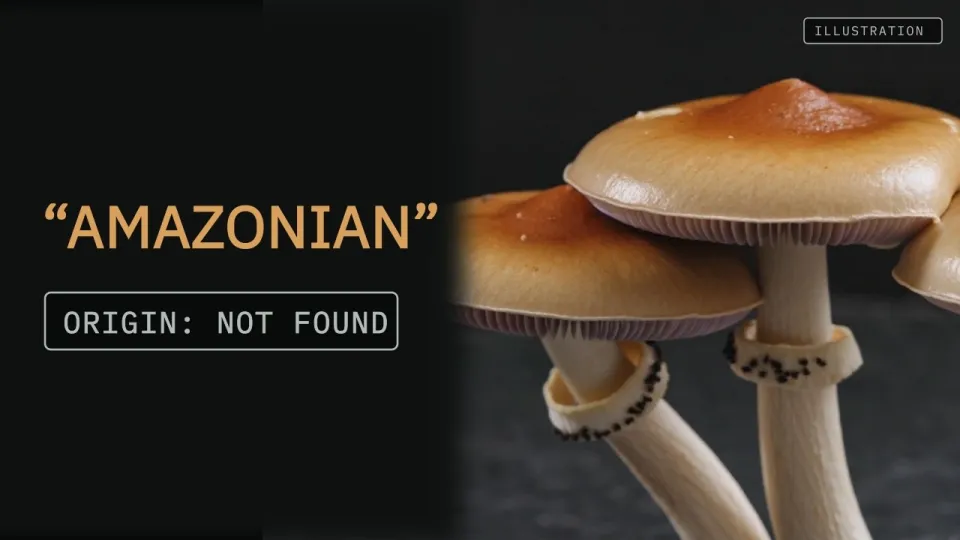
Video: Amazonian Mushroom: Following the Paper Trail Behind the Name
The Amazonian mushroom is a term broadly used to describe various fungi found in the Amazon rainforest, many of which have psychoactive properties. Tracing the name "Amazonian mushroom" involves following a complex paper trail of scientific classification, indigenous usage, and cultural history. This article explores the origins of the term, its taxonomy, and its significance in both scientific and traditional contexts.
Understanding the Term Amazonian Mushroom
The phrase "Amazonian mushroom" generally refers to species of mushrooms indigenous to the Amazon basin, many of which contain psychoactive compounds such as psilocybin. These mushrooms have been documented in ethnographic and scientific literature, linking their identity to both biological taxonomy and cultural usage. The term is not limited to a single species but encompasses various genera like Psilocybe and others found in the region 04:15.
The Taxonomic Paper Trail
The scientific classification of Amazonian mushrooms has been refined through decades of mycological research:
- Early botanical records identified several mushroom species native to the Amazon rainforest, often with limited morphological descriptions.
- Subsequent mycologists published detailed taxonomic papers describing characteristics, spore prints, and habitats.
- The name "Amazonian mushroom" was popularized in scientific circles as a common descriptor for these fungi, especially those with psychoactive properties.
- Modern DNA sequencing and phylogenetic studies have helped clarify species boundaries and evolutionary relationships within these mushrooms 09:30.
Indigenous Cultural Significance
Indigenous communities in the Amazon have traditionally used mushrooms for spiritual and medicinal purposes. These practices predate modern scientific interest:
- Ritualistic use involves guided ceremonies with shamans employing mushrooms to induce visions.
- Oral histories and ethnobotanical records detail the mushrooms’ role in healing and religious contexts.
- The indigenous names and classifications often differ from scientific terms but are crucial to understanding the cultural identity of these fungi 12:45.
Psychoactive Properties and Modern Research
Amazonian mushrooms are notable for their psychoactive compounds, primarily psilocybin and psilocin, which affect the human brain by altering perception and cognition. Recent studies have focused on:
- Chemical analysis confirming the presence of these compounds in various Amazonian species.
- Neuroscientific research exploring therapeutic potentials for mental health disorders.
- Legal and ethical discussions surrounding the use of these mushrooms in traditional and contemporary contexts 18:10.
Challenges in Naming and Identification
The term "Amazonian mushroom" faces challenges due to:
- Taxonomic ambiguities caused by morphological similarities among species.
- Variability in indigenous versus scientific naming conventions.
- The difficulty of accessing remote Amazonian regions to collect specimens.
- The influence of colonial and scientific narratives on the naming process 22:55.
Final Thoughts
The Amazonian mushroom represents a fascinating intersection of biology, culture, and history. Understanding its name involves following a chain of scientific papers, indigenous knowledge, and evolving taxonomy. This exploration highlights the importance of respecting both scientific rigor and traditional wisdom in studying these remarkable fungi. The channel Shroomverse provides an insightful analysis of this topic, tracing the paper trail behind the name and enriching our appreciation of Amazonian mushrooms 28:20.
Key takeaways
- Amazonian mushroom refers to fungi native to the Amazon rainforest region.
- Scientific classification of Amazonian mushrooms has evolved through historical paper trails.
- Indigenous cultures have long used these mushrooms for spiritual and medicinal purposes.
- Modern research links Amazonian mushrooms to psychoactive compounds like psilocybin.
- The name and taxonomy derive from a combination of botanical and ethnomycological studies.
Source: Amazonian Mushroom: Following the Paper Trail Behind the Name · Markdown version
Questions & answers
What species are commonly referred to as Amazonian mushrooms?
Amazonian mushrooms usually include various species from genera like Psilocybe, known for containing psychoactive compounds such as psilocybin, native to the Amazon rainforest.
Why is the taxonomy of Amazonian mushrooms complex?
The taxonomy is complex due to morphological similarities between species, limited access to remote areas, and overlapping indigenous and scientific classification systems.
How have indigenous cultures used Amazonian mushrooms?
Indigenous peoples have traditionally used these mushrooms in spiritual ceremonies and medicinal practices, often guided by shamans to induce visions or healing experiences.
What role does modern research play in understanding Amazonian mushrooms?
Modern research focuses on chemical analysis of psychoactive compounds, potential therapeutic uses, and clarifying taxonomy through genetic studies, bridging traditional knowledge and science.